VISITAS RECIENTES

AUTISMO TEA PDF

AUTISMO TEA PDF
TRASTORNO ESPECTRO AUTISMO y URGENCIAS PDF

We Support The Free Share of the Medical Information

Enlaces PDF por Temas

Nota Importante

Aunque pueda contener afirmaciones, datos o apuntes procedentes de instituciones o profesionales sanitarios, la información contenida en el blog EMS Solutions International está editada y elaborada por profesionales de la salud. Recomendamos al lector que cualquier duda relacionada con la salud sea consultada con un profesional del ámbito sanitario. by Dr. Ramon REYES, MD

Niveles de Alerta Antiterrorista en España. Nivel Actual 4 de 5.

Niveles de Alerta Antiterrorista en España. Nivel Actual 4 de 5.
Fuente Ministerio de Interior de España

sábado, 2 de marzo de 2024

MANUAL DE URGENCIAS EN PEDIATRIA Hospital Virgen del Rocio. PDF

MANUAL DE URGENCIAS EN PEDIATRIA Hospital Virgen del Rocio. PDF


Enlace para descargar PDF Gratis

HERRAMIENTAS EN PEDIATRIA Osakidetza

CUESTIONARIO DE TRASLADO PEDIATRICO EN SVA/SVE/SVB
Enlace para descargar PDF Gratis


EVALUACION PEDIATRICA PRIMARIA
ABCDE 

Enlace para descargar PDF Gratis


EVALUACION PEDIATRICA PRIMARIA
ABCDE 

EVALUACION PEDIATRICA PRIMARIA
ABCDE 
Traslados (excluidos traslados neonatales) Score predictivo del tipo de recurso


Enlace para descargar PDF Gratis


EVALUACIÓN INICIAL DEL PACIENTE PEDIÁTRICO / TRIÁNGULO DE EVALUACIÓN PEDIÁTRICA (TEP) / IMPRESIÓN GENERAL 
Enlace para descargar PDF Gratis


EVALUACIÓN INICIAL DEL PACIENTE PEDIÁTRICO / TRIÁNGULO DE EVALUACIÓN PEDIÁTRICA (TEP) / IMPRESIÓN GENERAL 


EVALUACIÓN INICIAL DEL PACIENTE PEDIÁTRICO / TRIÁNGULO DE EVALUACIÓN PEDIÁTRICA (TEP) / IMPRESIÓN GENERAL 


TABLAS MEDICACIÓN EMERGENCIAS ATENCIÓN PRIMARIA (CARDS‐AP) 
 Enlace para descargar PDF Gratis

TABLAS MEDICACIÓN EMERGENCIAS ATENCIÓN PRIMARIA (CARDS‐AP) 


TABLAS MEDICACIÓN EMERGENCIAS ATENCIÓN PRIMARIA (CARDS‐AP) 


TABLAS MEDICACIÓN EMERGENCIAS ATENCIÓN PRIMARIA (CARDS‐AP) 


TABLAS MEDICACIÓN EMERGENCIAS ATENCIÓN PRIMARIA (CARDS‐AP) 


TABLAS MEDICACIÓN EMERGENCIAS ATENCIÓN PRIMARIA (CARDS‐AP) 


TABLAS MEDICACIÓN EMERGENCIAS ATENCIÓN PRIMARIA (CARDS‐AP) 


TABLAS MEDICACIÓN EMERGENCIAS ATENCIÓN PRIMARIA (CARDS‐AP) 


TABLAS MEDICACIÓN EMERGENCIAS ATENCIÓN PRIMARIA (CARDS‐AP) 


TABLAS MEDICACIÓN EMERGENCIAS ATENCIÓN PRIMARIA (CARDS‐AP) 


TABLAS MEDICACIÓN EMERGENCIAS ATENCIÓN PRIMARIA (CARDS‐AP) 


TABLAS MEDICACIÓN EMERGENCIAS ATENCIÓN PRIMARIA (CARDS‐AP) 


TABLAS MEDICACIÓN EMERGENCIAS ATENCIÓN PRIMARIA (CARDS‐AP) 


TABLAS MEDICACIÓN EMERGENCIAS ATENCIÓN PRIMARIA (CARDS‐AP) 


TABLAS MEDICACIÓN EMERGENCIAS ATENCIÓN PRIMARIA (CARDS‐AP) 


TABLAS MEDICACIÓN EMERGENCIAS ATENCIÓN PRIMARIA (CARDS‐AP) 


TABLAS MEDICACIÓN EMERGENCIAS ATENCIÓN PRIMARIA (CARDS‐AP) 


TABLAS MEDICACIÓN EMERGENCIAS ATENCIÓN PRIMARIA (CARDS‐AP) 


TABLAS MEDICACIÓN EMERGENCIAS ATENCIÓN PRIMARIA (CARDS‐AP) 


TABLAS MEDICACIÓN EMERGENCIAS ATENCIÓN PRIMARIA (CARDS‐AP) 


TABLAS MEDICACIÓN EMERGENCIAS ATENCIÓN PRIMARIA (CARDS‐AP) 


TABLAS MEDICACIÓN EMERGENCIAS ATENCIÓN PRIMARIA (CARDS‐AP) 


TABLAS MEDICACIÓN EMERGENCIAS ATENCIÓN PRIMARIA (CARDS‐AP) 


TABLAS MEDICACIÓN EMERGENCIAS ATENCIÓN PRIMARIA (CARDS‐AP) 


TABLAS MEDICACIÓN EMERGENCIAS ATENCIÓN PRIMARIA (CARDS‐AP) 

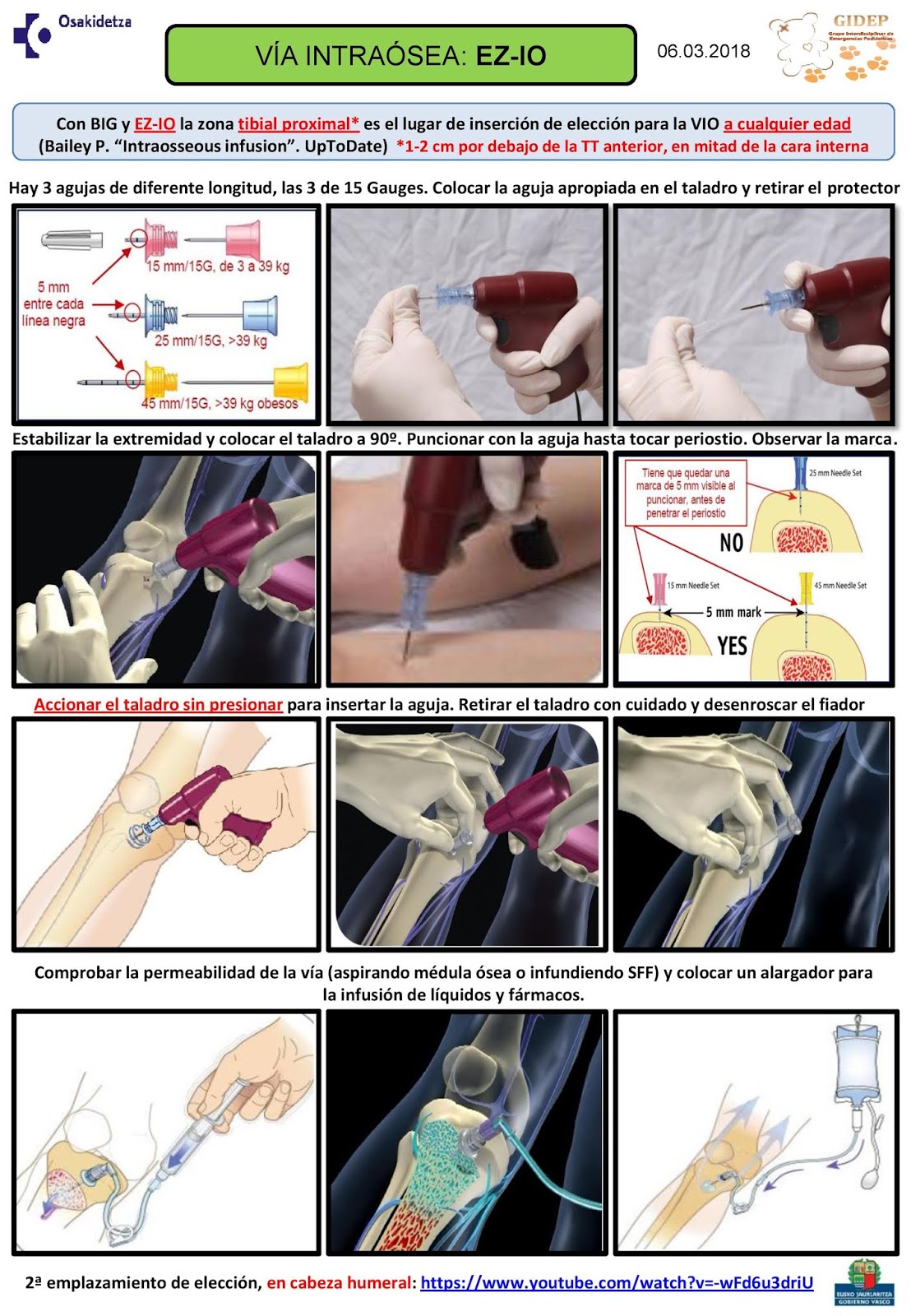
VIA INTRAOSEA (VIO) by Osakidetza 


VIA INTRAOSEA (VIO) by Osakidetza 
  Enlace para descargar PDF Gratis

VIA INTRAOSEA (VIO) by Osakidetza 

VIA INTRAOSEA (VIO) by Osakidetza 

VIA INTRAOSEA (VIO) by Osakidetza 

VIA INTRAOSEA (VIO) by Osakidetza 

VIA INTRAOSEA (VIO) by Osakidetza 


COMPARTIR: Mas 400 MANUALES Y LIBROS EN PDF GRATIS, sin trucos para descargar... https://www.facebook.com/pg/DrRamonReyesMD/photos/?tab=album&album_id=620883388254594

Por favor compartir nuestras REDES SOCIALES @DrRamonReyesMD, así podremos llegar a mas personas y estos se beneficiarán de la disponibilidad de estos documentos, pdf, e-book, gratuitos y legales..

Grupo Biblioteca/PDFs gratis en Facebook

Facebook


Pinterest

Twitter

Blog

Gracias a todos el Canal somos más de  1000 participantes en WhatsApp. Recordar este es un canal y sirve de enlace para entrar a los tres grupos; TACMED, TRAUMA y Científico. ahí es que se puede interactuar y publicar. Si le molestan las notificaciones, solo tiene que silenciarse y así se beneficia de la información y la puede revisar cuando usted así lo disponga sin el molesto sonido de dichas actualizaciones, Gracias a todos Dr. Ramon Reyes, MD Enlace al 


Enlace a Científico https://chat.whatsapp.com/IK9fNJbihS7AT6O4YMc3Vw en WhatsApp 

TELEGRAM Emergencias https://t.me/+sF_-DycbQfI0YzJk  

TELEGRAM TACMED https://t.me/CIAMTO


AVISO IMPORTANTE A NUESTROS USUARIOS
Este Blog va dirigido a profesionales de la salud y público en general EMS Solutions International garantiza, en la medida en que puede hacerlo, que los contenidos recomendados y comentados en el portal, lo son por profesionales de la salud. Del mismo modo, los comentarios y valoraciones que cada elemento de información recibe por el resto de usuarios registrados –profesionales y no profesionales-, garantiza la idoneidad y pertinencia de cada contenido.
Es pues, la propia comunidad de usuarios quien certifica la fiabilidad de cada uno de los elementos de información, a través de una tarea continua de refinamiento y valoración por parte de los usuarios.
Si usted encuentra información que considera errónea, le invitamos a hacer efectivo su registro para poder avisar al resto de usuarios y contribuir a la mejora de dicha información.
El objetivo del proyecto es proporcionar información sanitaria de calidad a los individuos, de forma que dicha educación repercuta positivamente en su estado de salud y el de su entorno. De ningún modo los contenidos recomendados en EMS Solutions International están destinados a reemplazar una consulta reglada con un profesional de la salud.

¿PARAMEDICO?


Un paramédico es un para profesional médico, es decir, un profesional que atiende pacientes a lado del médico, el enfermero es su prototipo. Hoy este paramédico de ambulancias es un diplomado de atención de emergencias médicas, usualmente miembro de un servicio extrahospitalario de atención de emergencias, responde a y atiende emergencias y urgencias médicas y detrauma en el ambiente o nivel prehospitalario. El paramédico con el médico y el enfermero provee detección, respuesta, reporte, cuidados en la escena (tratamiento de emergencia), y, cuando es apropiado, transporta al paciente hacia el centro médico idóneo, como un hospital para un tratamiento definitivo mientras recibe cuidados durante el mismo. 
Has click en el  Enlace para ampliar la información desde wikipedia.org

Estudio Conocimiento de la sociedad española en maniobras básicas de soporte vital y actitud ante las emergencias . by Fundación MAPFRE y SEMES,

Fundación MAPFRE y SEMES, presentan el estudio Conocimiento de la sociedad española en maniobras básicas de soporte vital y actitud ante las emergencias

Solo 4 de cada 10 españoles se siente capacitado para actuar ante una parada cardiaca inesperada y utilizar un desfibrilador
• Más de la mitad de población nunca ha recibido formación específica en primeros auxilios y maniobras de soporte vital.
• 8 de cada 10 ciudadanos cree que en España no se hace todo lo posible para recibir una formación adecuada en primeros auxilios.
• Entre 1.500 y 3.000 personas salvarían la vida cada año si la sociedad estuviera formada en reanimación cardiopulmonar.
• Tras una parada cardiaca, los primeros 10 minutos son fundamentales para sobrevivir con un buen estado neurológico.
En España se producen anualmente entre 15.000 y 20.000 paros cardiacos fuera del hospital. La tasa de supervivencia de este tipo de situaciones, que surgen de forma repentina, es baja, en torno a un 10%. Esta cifra podría incrementarse entre 2 y 4 veces si el nivel de sensibilización y formación en maniobras de reanimación, soporte vital y primeros auxilios fuera mayor.Pero los últimos datos no ayudan.  En la actualidad, sólo 4 de cada 10 adultos (39,2%) reconoce sentirse capacitado para responder ante este tipo de emergencias, un porcentaje similar al número de ciudadanos (41,3%) que en caso de necesidad admite no saber utilizar un desfibrilador automático y que desconoce (34,7%) que el número único de emergencias europeo es el 112.
Son algunas de las conclusiones del informe ‘Conocimiento de la sociedad española en maniobras básicas de soporte vital y actitud ante las emergencias’, que han presentado hoy Fundación MAPFRE y la Sociedad Española de Medicina de Urgencias y Emergencias (SEMES) con el objetivo de analizar el nivel de conocimientos en maniobras de soporte vital de la población española y su actitud general ante las emergencias.
El estudio, fruto de 1.500 encuestas, pone de manifiesto otros datos de interés en relación a la atención inmediata que se ofrece a una persona antes de que pueda ser atendida por personal sanitario. Siete de cada 10 encuestados (75,6%) considera “insuficiente” o “muy insuficiente” la formación que poseen los españoles en relación a primeros auxilios, un dato relevante si se tiene en cuenta que casi 4 de cada 10 (38,5%) ha tenido que prestar alguna vez primeros auxilios a una persona que lo necesitaba. En este sentido, la situación a la que más se han tenido que enfrentar los ciudadanos es el desvanecimiento (63,5%), atragantamiento (43,8%), hemorragia abundante (35,6%) y parada cardiaca (18,4%).
Más formación y sensibilización
Esther Gorjón, directora del informe y responsable de Enfermería de SEMES, que ha participado en el acto, ha destacado que, a pesar de que el conocimiento sobre maniobras de soporte vital de la población española y su capacidad de responder ante una situación de emergencia ha aumentado en los últimos años, todavía estamos lejos de las cifras de otros países europeos.
Y ha hecho hincapié, "en la necesidad de la implementación de un Plan Nacional de formación y sensibilización en medidas de soporte vital, preferiblemente desde la edad escolar, y campañas de sensibilización públicas de formación y difusión". Todo ello, ha indicado, "contribuiría a incrementar notablemente el nivel de conocimientos, la capacidad de respuesta, y en consecuencia, la supervivencia ante la parada cardiaca”.
Antonio Guzmán, director de Promoción de la Salud de Fundación MAPFRE, también se ha referido a la importancia de la formación en primeros auxilios, clave para prevenir consecuencias fatales. “Es algo que demanda gran parte de la sociedad, que considera que en nuestro país no se hace todo lo posible para que los ciudadanos tengan una formación adecuada en primeros auxilios, algo que para muchos es sin duda una asignatura pendiente, a la que se debería poner solución en el aula, en concreto en las primeras etapas educativas”.
En esta línea, el director de Promoción de la Salud de Fundación MAPFRE ha hecho alusión los más de 200 talleres de RCP que junto con SEMES impartirán este año escolar en 60 centros educativos y escuelas deportivas. Gracias a esta actividad, cerca de 10.000 jóvenes, entre 12 y 16 años, aprenderán a identificar los síntomas de una parada cardiaca, avisar a los servicios de emergencia, iniciar las técnicas de reanimación si la persona esta inconsciente y no respira, utilizar un desfibrilador y actuar ante un atragantamiento.
Puedes ver el estudio aquÏ: http://www.portalsemes.org/semesprensa/doc/Estudio%20_Conocimientos%20_RCP.pdf

¿Cargar y llevar o quedarse en la escena en el paciente de trauma? / Trauma: Should You Stay or Should You Go?

¿Cargar y llevar o quedarse en la escena en el paciente de trauma? / Trauma: Should You Stay or Should You Go?


TITULAR: 
Cosen a navajazos a un joven a las puertas de una discoteca en Carabanchel
El agredido recibió al menos siete heridas de arma blanca en tórax y espalda, una de ellas penetrante, así como golpes y contusiones en la cara y cabeza

Ese sistema va contra de todo lo estipulado en los libros de trauma, en todo lo visto en congresos por expertos internacionales, dilatar innecesariamente a un paciente en la escena, cuando estamos a minutos de hospitales de trauma de alto nivel y estándar con cirujanos de trauma 24/7/365, con capacidad de transfusion, veo un riesgo a correr con la vida del paciente quedarse a hacer procedimientos realmente dilatorios en la escena. es comun ver estos casos en Europa, pero de verdad prefiero la medicina de acción Americana en la que el paramedico no asume procedimientos dilatorios en la escena y lleva al paciente a la sala de urgencias en donde se sobran personal y recursos. Opinion Personal -Profesional @drramonreyesmd 21/04184 Colegiado en España

¿Digo yo en mi ignorancia como medico, no seria mas facil llevar al paciente al hospital y hacer sus cosas en el camino, al final eso es asunto de cirugia? Digo yo en mi ignorancia como MEDICO... by Dr. Ramon Reyes, MD

Pongo el numero de colegiado en España, por encontrar uno que otro experto en la materia que ante la incapacidad de discutir en base medicina basada en evidencias, pues tratan de descalificar a quien suscribe y a cuantos digan lo contrario de sus acciones,,, pero lo siento, no tengo la capacidad de ver algo que entiendo en base a mas de 30 años en las calles milles de millas recorridas, miles de horas de practicas en salud y educación, pues alguien tiene que decir, la Foto muy bonita, pero please al quirófano, es el destino final y mientras mas rapido, pues mejor, porque sangre se sustituye con sangre y hacer muchos procedimientos en medio de una ciudad, pues como que no,,, diferente si hablamos de medicina de combate, medicina austera, medicina de desastre, medicina remota, etc, ahi si o si, debes de hacer algo mientras puedes evacuar al paciente a una facilidad final de mayor nivel de atención.
 by @DrRamonReyesMD

CREO SER EL UNICO IGNORANTE EN EL MUNDO QUE LO VE,,, PUES CREO QUE SI


Trauma: Should You Stay or Should You Go?

WASHINGTON-The results of a 14-year study of trauma patients brought to a level I trauma center come close to settling the debate over the "load and go" versus "stay and stabilize" approach to patient care in the out-of-hospital setting: the answer depends on whether the injuries are penetrating or blunt ("Emergency Medical Services Out-of-Hospital Scene and Transport Times and Their Association with Mortality in Trauma Patients Presenting to an Urban Level I Trauma Center").
The study—the first of its kind to analyze data spanning more than a decade—was published recently in Annals of Emergency Medicine.
"We observed an association between longer out-of-hospital times, in particular scene times, and mortality in patients with penetrating trauma," said lead study author C. Eric McCoy, MD, MPH, of the University of California Irvine School of Medicine in Orange, Calif. "Given the challenges of providing out-of-hospital care to heterogeneous populations through a heterogeneous delivery system, it is imperative that the medical community identify patients who may benefit from timely care before abandoning the notion that faster is better for all patients in the out-of-hospital setting."
Researchers analyzed records for 19,167 trauma patients. Eighty-four percent of the injuries were blunt and 16 percent were penetrating. For patients with penetrating trauma, higher odds of mortality were observed when treatment delivered at the scene exceeded 20 minutes. Longer transport times were not associated with increased odds of mortality in patients with penetrating trauma. For patients with blunt trauma, there was no association between scene or transport times and increased odds of mortality.
"Our findings support the 'golden hour' concept of trauma care and are consistent with the previously demonstrated hospital-based beneficial effect on survival," said Dr. McCoy. "Our study also supports the conclusion that even if transport time is longer because of geographical distance from the scene to a trauma center, seriously injured patients benefit by being transported to trauma centers for hospital-based care."
Annals of Emergency Medicine is the peer-reviewed scientific journal for the American College of Emergency Physicians, the national medical society representing emergency medicine. ACEP is committed to advancing emergency care through continuing education, research, and public education. Headquartered in Dallas, Texas, ACEP has 53 chapters representing each state, as well as Puerto Rico and the District of Columbia. A Government Services Chapter represents emergency physicians employed by military branches and other government agencies. For more information visit www.acep.org.

https://www.emsworld.com/news/10832964/trauma-should-you-stay-or-should-you-go


Prehospital care - scoop and run or stay and play?

 2009 Nov;40 Suppl 4:S23-6. doi: 10.1016/j.injury.2009.10.033. Smith RM1, Conn AK.

Abstract

Improved training and expertise has enabled emergency medical personnel to provide advanced levels of care at the scene of trauma. While this could be expected to improve the outcome from major injury, current data does not support this. Indeed, prehospital interventions beyond the BLS level have not been shown to be effective and in many cases have proven to be detrimental to patient outcome. It is better to "scoop and run" than "stay and play". Current data relates to the urban environment where transport times to trauma centres are short and where it appears better to simply rapidly transport the patient to hospital than attempt major interventions at the scene. There may be more need for advanced techniques in the rural environment or where transport times are prolonged and certainly a need for more studies into subsets of patients who may benefit from interventions in the field.
PMID:
 
19895949
 
DOI:
 
10.1016/j.injury.2009.10.033 .  


Prehospital trauma care: a clinical review.

Abstract

INTRODUCTION:

There are many controversies related to the trauma patient care during the pre-hospital period nowadays. Due to the heterogeneity of the rescue personnel and variability of protocols used in various countries, the benefit of the prehospital advanced life support on morbidity and mortality has been not established.

METHOD:

Systematic review of the literature using computer search of the Library of Medicine and the National Institutes of Health International PubMed Medline database using Entre interface.We reviewed the literature in what concerns the basic and advanced life support given to the trauma patients during the prehospital period.

RESULTS:

Although the organization of the medical emergency system varies from a country to another, the level of patient'scare can be classified into two main categories: Basic Life Support (BLS) and Advanced Life Support (ALS).There are many studies addressing what to be done at the scene.The prehospital care can be divided into two extremes: stay and play/treat then transfer or scoop and run/load and go.

CONCLUSIONS:

A balance between "scoop and run" and "stay and play" is probably the best approach for trauma patients. The chosen approach should be made according to the mechanism of injury (blunt versus penetrating trauma), distance to the trauma center (urban versus rural) and the available resources.


Hemos avanzado en el manejo prehospitalario en los ultimos años con la entrada de la TELEMEDICINA, REBOA, ECOFAST, etc 


Resuscitative Endovascular Balloon Occlusion of the Aorta (REBOA)? by Endovascular Resucitation and Trauma Management / Uso actual del balón de resucitación aórtico endovascular (REBOA) en trauma 
https://emssolutionsint.blogspot.com/2017/09/resuscitative-endovascular-balloon.html


TEMPUS PRO vital signs monitor with integrated telemedicine, use in remote medicine

http://emssolutionsint.blogspot.com/2018/05/tempus-vital-signs-monitor-with.html


Dr Ramon REYES, MD,
Por favor compartir nuestras REDES SOCIALES @DrRamonReyesMD, así podremos llegar a mas personas y estos se beneficiarán de la disponibilidad de estos documentos, pdf, e-book, gratuitos y legales..

Manual de Urgencias Carlos Bibiano Guillen. Jefe del Servicio de Urgencias del Hospital Universitario Infanta Leonor

Manual de Urgencias Carlos Bibiano Guillen.  Jefe del Servicio de Urgencias del Hospital Universitario Infanta Leonor


Enlace para DESCARGAR pdf Gratis  


MANUAL DE URGENCIAS 2º Edición By Dr. Carlos Bibiano Guillén

MANUAL DE URGENCIAS 2º EDIC.
Más de ciento cincuenta médicos de Urgencias y especialistas de más de 30 centros distintos han colaborado durante cerca de un año en la elaboración de esta obra cuya coordinación editorial ha dirigido el Dr. Carlos Bibiano Guillén, jefe del Servicio de Urgencias del Hospital Universitario Infanta Leonor. 


MANUAL DE URGENCIAS 2º Edición By Dr. Carlos Bibiano Guillén, 
jefe del Servicio de Urgencias del Hospital Universitario Infanta Leonor
Pincha aquí para descargar


Otros 


4ª edición del manual de Protocolos y Actuación en Urgencias (bajar gratis en PDF) 

http://emssolutionsint.blogspot.com/2016/07/4-edicion-del-manual-de-protocolos-y.html


Dr. Ramon Reyes, MD

erisipela. erisipelas ampollosas

erisipela. erisipelas ampollosas

La erisipela es un tipo clínico superficial de celulitis: una infección cutánea que puede afectar a la dermis y al tejido celular subcutáneo (hipodermis).

Es una enfermedad infectocontagiosa aguda y febril producida por estreptococos.

DIAGNÓSTICO

Se caracteriza por una placa eritematosa roja de extensión variable, de bordes bien definidos y que puede causar dolor y prurito.

En el 90% de los casos la erisipela se manifiesta en las piernas y comienza a través de una herida (puerta de entrada).

Los factores de riesgo son numerosos. Influyen las condiciones locales (pie de atleta, úlceras de pierna) así como las enfermedades asociadas (linfedema, diabetes, alcoholismo).

El diagnóstico clínico de erisipela es fácil en su forma típica. En algunos pacientes en quienes la enfermedad es más profunda se dificulta por su apariencia y la posibilidad de que esté involucrada otra bacteria.

Cuanto más dérmica es la localización de la erisipela, más definidos están los límites del eritema y el edema.

Cuando la localización es profunda, sus límites están más indefinidos y su coloración es rosada. En estos sujetos es frecuente un origen estreptocócico, pero no es la única posibilidad y puede haber otras bacterias asociadas.

TRATAMIENTO

La rápida respuesta favorable a los medicamentos apoya el diagnóstico.

En 24 a 72 horas desaparece la fiebre y el dolor se reduce al igual que los signos cutáneos.

Si esto no es así, se debe analizar la posibilidad de complicaciones o tener en cuenta los marcadores de gravedad clínica citados más arriba.

Al resolverse el cuadro se produce un proceso de descamación.

En la erisipela de la pierna y en la celulitis, la primera medida de tratamiento es el reposo durante varios días con la pierna elevada. Esto reduce el edema y el dolor y es importante para combatir la fiebre.

Una vez que el paciente puede andar, las medias elásticas permiten una mejor contención. También reducen la recurrencia del edema así como el riesgo de linfedema. 

Se caracteriza por la presentación súbita y con fiebre, unas horas antes de la aparición de los signos cutáneos.

https://www.clinicadermatologicainternacional.com/es/tratamiento/erisipela/

celulitis por infección bacteriana

La celulitis es una infección bacteriana común de la piel que causa enrojecimiento, inflamación y dolor en el área infectada. De no tratarse, puede propagarse y causar problemas de salud graves.

El buen cuidado de las heridas y la higiene son importantes para prevenir la celulitis.

secreciones y cúbralas con una venda limpia y seca hasta que sanen.

médico examinando una herida abierta en la pierna de una paciente
Consulte a un médico
Consulte a un médico si tiene heridas punzantes u otras heridas profundas o graves.

Proteja las heridas e infecciones
Si tiene una herida abierta o una infección, evite pasar tiempo en los siguientes lugares:

Bañeras de hidromasaje.
Piscinas.
Cuerpos de agua naturales (p. ej., lagos, ríos, mares).
Las personas con diabetes deben revisarse los pies a diario para ver si tienen lesiones o signos de infección.

viernes, 1 de marzo de 2024

Effective Prehospital Care for a Scorpion Sting. Are antivenins always necessary?

Scorpion Centruroides exilicauda

Bryan Bledsoe, DO, FACEP, FAAEM, EMT-P | From the April 2013 Issue | Wednesday, March 27, 2013
FROM www.jems.com 
There’s much more to Las Vegas than the casinos, bars and the bright lights of the Strip. Many wonderful parks and unique points of interest are nearby and offer respite from the constant grind of the city. One such park is the Valley of Fire State Park located just north of Las Vegas. This is a beautiful and striking collection of rocks and escarpments and is often used for movie and television shoots.
During the early summer, a 24-year-old Canadian tourist was visiting the park and climbing the various trails that wind through the wondrous rock formations. Evidently, the patient reached up onto a rock and felt a severe burning sensation on the dorsal surface of her right hand. She immediately withdrew her hand and saw a scorpion fall to a rock below. The burning sensation soon became intense pain and itching, and she developed shortness of breath followed by generalized hives. Her boyfriend was at her side and quickly scooped up the scorpion into a paper cup and helped his girlfriend down to the base of the trail. By that time, she was more short of breath and slightly diaphoretic. He placed her into their car and drove quickly to a nearby convenience store. There, the clerk summoned local EMS.
Prehospital Care
First responders arrived approximately eight to 10 minutes following the initial call. They began their primary assessment, administered supplemental oxygen and awaited arrival of paramedics. They questioned the patient about whether she had an EpiPen or similar epinephrine auto injector. She didn’t.
Soon, paramedics arrived and took over assessment. Their primary assessment revealed the patient to be anxious, short of breath and diaphoretic, with hives. The initial vital signs were a blood pressure of 100/68, a pulse of 100, respirations of 24, and SpO2 of 95% on a non-rebreather mask. The paramedics promptly placed an IV line and administered 0.3 mg of epinephrine 1:1000 intramuscularly. The patient had an episode of transient tachycardia; however, her breathing improved and most of the hives disappeared. Although her breathing was better, the pain from the scorpion sting was increasing fairly quickly. In addition, she had developed some unusual twitches and jerkiness. As paramedics inspected the patient’s right hand, they noted it to be swollen and extremely tender. There was an area at the center of the swelling that appeared to be the location of the sting.
The paramedics administered a one-liter fluid bolus of normal saline followed by 5 mg of morphine sulfate via IV. The patient was somewhat nauseated and received 4 mg of ondansetron (Zofran) via IV. This resulted in improvement of her pain and normalization of her vital signs. She was subsequently transported to University Medical Center (UMC) for additional care.
Hospital Course
At UMC, the emergency medicine staff promptly evaluated the patient. Although she improved initially following the prehospital care provided, her pain and shortness of breath were starting to recur. An additional 5 mg dose of morphine was provided and standard laboratory tests were obtained. Examination of the right hand revealed swelling and a small area of ecchymosis. The pulses remained strong and the patient was fully alert. In addition, the patient again became nauseated and subsequently vomited. Following this, 1.25 mg of droperidol (Inapsine) was administered via IV. Her nausea and vomiting resolved.
On physical exam, the patient was in considerably more distress than what paramedics had reported on scene. She was carefully reassessed to try to determine whether her signs and symptoms were due to an allergic reaction to the scorpion sting or due to scorpion envenomation. The venom from scorpions in the U.S. is neurotoxic yet rarely fatal. Although rare, envenomation from certain scorpion species (e.g., bark scorpion) can cause uncontrolled muscle jerking, eye twitching (called opsoclonus) and increased salivation in addition to the localized pain, swelling and itching. Based on the examination, the patient didn’t have signs of envenomation.
Although an antivenin is available for scorpion stings, it wasn’t deemed necessary in this case. The patient received additional fluids as well as 25 mg of diphenhydramine (Benadryl) and 125 mg of methylprednisolone (Solu-Medrol) via IV. She was observed in the emergency department for approximately four hours and discharged home with medications for pain as well as antihistamines and corticosteroids.
Discussion
Scorpions, which are eight-legged venomous invertebrates that are related to spiders and ticks, are common in the southwestern U.S., and the second-most common cause of poisonous stings worldwide. In the U.S., only four deaths in 11 years have occurred as a result of scorpion stings. Interestingly, in Mexico, approximately 1,000 deaths from scorpion stings occur per year.1
Scorpions primarily live in the desert and have adapted to the heat and lack of water. There are approximately 70 species of scorpions in the U.S. Of these, only the bark scorpion (Centruroides exilicauda) can cause clinically significant signs and symptoms. In actuality, significant scorpion envenomation is rare in the U.S. When it does occur, infants, children and the elderly are at increased risk.
The signs and symptoms of envenomation usually occur within 15 minutes following the sting. The severity of the symptoms depends on the amount of venom injected. For most people, the signs and symptoms of a scorpion sting are localized and include pain, swelling and itching.
In rare instances, significant envenomation from a bark scorpion sting can cause systemic signs and symptoms. These include the various neurologic symptoms detailed earlier. An antivenin (Anascorp) is available for significant stings. It’s derived from horse serum and is effective. However, it’s expensive and has associated allergic/anaphylactic risks because it’s derived from animal sources. It’s reserved only for severe, life-threatening envenomation where the benefits clearly outweigh the risks. It shouldn’t be used routinely unless neurotoxic signs and symptoms are noted. Most hospitals in the southwestern U.S. stock or have access to this antivenin.2,3
The use of antivenins in EMS is controversial. There are antivenins available for the bites and stings of numerous dangerous animals. These include snakes, spiders and scorpions. In some situations, such in the Australian state of Queensland, it makes sense for EMS providers to carry and administer antivenin. There are jellyfish species, primarily the box jellyfish (Chironex fleckeri), in the waters off Queensland and other parts of Australia that are extremely toxic, and stings can be rapidly fatal. In such cases, antivenin administration can be lifesaving. However, in most of the U.S., patients are able to access a hospital fairly rapidly and can receive antivenin there as needed.
Certainly, some rural EMS systems have prolonged out-of-hospital times and respond in areas where poisonous animals are found. In these systems, there may be a role for antivenin based on transport times and the types of indigenous poisonous species found in the region. Most of these cases would certainly be due to snakes, with insect bites and stings being less common.
It’s important to remember that the administration of antivenin isn’t always simple and without risk. Allergic reactions and other systemic reactions are common. In addition, many of these antivenin products are expensive and require special preparation to administer.
Interestingly, Miami-Dade (Fla.) Fire Rescue (MDFR) operates the world-recognized Venom Response Program.4 It consists of highly specialized paramedic/firefighters who are trained in the response, management and treatment of envenomations.
The program is necessary because Miami-Dade County is home to numerous venomous and poisonous animals, and is also the point of entry for a wide variety of venomous animals imported into the U.S. As in Miami, all EMS providers should be familiar with the identification and treatment of common animal bites and envenomations that can occur in their response area.
Summary
The case detailed here is relatively straightforward. We describe the case of a tourist who sustained a scorpion sting in a local state park. Her symptoms were more significant than typically seen with simple scorpion stings. The scorpion that was caught by her boyfriend was later determined to be a bark scorpion. However, following adequate prehospital treatment and detailed evaluation in the emergency department, the patient improved. It was determined that scorpion antivenin wasn’t indicated because of the lack of systemic signs and symptoms. The patient ultimately did well and completed her vacation in Las Vegas.
References
1. Chippaux JP, Goyffon M. Epidemiology of scorpionism: A global apprasial. Acta Trop. 2010;107:71–79.
2. Quan D. North American Poisonous Bites and Stings. Crit Care Clin. 2012;28:633–659.
3. Boyer LV, Theodorou AA, Berg RA, et al. Antivenom for critically ill children with neurotoxicity from scorpion stings. N Engl J Med. 2009;360:2090–2098.
4. Miami-Dade Venom Response Program. (Jan 19, 2012). In Miami-Dade County. Retrieved Feb. 17, 2013, from www.miamidade.gov/fire/about-special-venom.asp.
Mobile Category: 
Patient Care