By https://emspedia.emergency-live.com/
 |
This manual is the result of a joint effort:
Roberto Montagnani, occupational physician of the bilateral agency of tourism of the Province of Venice (EBT)
Giuseppe Ceretti, biologist and expert in first aid, Venice contributed to the texts.
The images were created by Silvana Andreacchio, Venice and Giuseppe Ceretti. The English translation was revised by Walter Franklin Alcindor graduated with diploma in international tourism in Seychelles.
The author of the image on the cover is Nicoletta Ballarin, occupational physician at the Local Health Unit 12 of Venice, Veneto
THE LAW - THE HISTORICAL DEVELOPMENT OF THE LEGISLATION
The law No. 80 of 1898, the first law for occupational safety in Italy, established the obligation to adopt a corporate first aid service for the manufacturing companies.
At first it was established that under the provision of the law the organization of a first aid service should be mandatory only for injuries in the workplaces of the construction sector and in industrial companies.
After the Second World War a new law established that a first aid service at work should be granted also in non manufacturing companies, both for injuries and malaises (Presidential Decree No. 303/1956).
Our national legislation, as well as that of the European Union, entrusts the employer with the task to provide the training of a sufficient number of lay workers (first aid attendants) in order to guarantee a proper first aid at work.
Employers also have the obligation to establish the necessary connections of the workplace with the medical emergency service 118, that is effective in Italy since 1992 (this obligation is stated by the ”Testo Unico”, Unique Text on health and safety, Decree n. 81/2008).
The law also establishes that when setting up the first aid service the employer must take into account “any other people present at workplace”( see “Testo Unico”, article 45). In hotels and restaurants the presence of non-working people (such as customers, visitors, clients etc.) is fairly constant and consequently this aspect of the legislation is of a particular relevance.
The assistance to non-working people must be primarily an emergency service, e.g. the practice of early resuscitation in cases of cardiac arrest or some other emergency interventions waiting for the arrival of the specialized personnel of the 118.
An important aspect to be taken into consideration is that in so many years that the law for the first aid services at workplace is in force there have not been any cases of criminal or civil involvement of first aid attendants.
The prosecutors and the judges of the labour courts have apparently always kept in mind “who the first aid attendants are”, i.e. ordinary workers who, due to their appointment by the employer, give their help when circumstances require it.
For first aid attendants ’ tort or criminal liability for negligence, malpractice or carelessness can be assumed only in case of failure to assist or when they make interventions which they weren’t trained for.
We can take as an example the tourniquets which can be used for bleeding: if the first aid assistants didn’t receive a specific training to apply them, they shouldn’t use them. In the framework of the training courses it is also explained that first aid attendants should never administer drugs and this rule must of course be respected.
A good physical fitness is required to perform the first aid service, because some activities, as the chest compressions or some manoeuvres to clear the airways in case of obstruction by foreign bodies can be done well only having a sound cardio-respiratory efficiency and a fit musculoskeletal system .
The first aid assistant requires above all a good psychological and emotional equilibrium, the “ability to be able to “listen” what other people are feeling, a strong willingness to help and a good emotional participation1.
THE RISK ASSESSMENT PROCESS
The risk assessment process is an essential part of the organisation of first aid, as it is for many other aspects of prevention/protection in the workplaces.
By the analysis of occupational risks, the employer, with the collaboration of the competent physician if appointed, can prepare and maintain a valid first aid corporate service. It can be helpful to answer questions like those below:
Which are the most common injury types at our workplaces?
Which accidents occurred to workers, customers, visitors ?
Which were the more serious accidents ?
The work involves special risks, such as difficult environments (e.g. work at height) or where personal protective equipment is required (exposure to dangerous chemicals, high levels of noise etc.)?
How many people are involved in the work and what is their age distribution?
There are external people (customers, visitors ) who access the workplaces and what is their number?
There are employees whose work shifts include late evenings/nights, overtime work, temporary workers?
-There are inexperienced workers and/or employees with disabilities?
-The staff includes workers who must travel a lot, who are working in remote locations or alone?
HOW THE FIRST AID ATTENDANTS SHOULD BEHAVE IN CASE OF INJURY OR MALAISE
We begin this section with a short glossary where a few good definitions are given for a better understanding.
WORK INJURY: a sudden adverse occurrence which results in an injury to a worker, a trauma, usually physical, but also psychological2, which occurs in a very short time frame.
MALAISE: sudden loss of the well-being in a time frame that isn’t necessarily short. MEDICAL EMERGENCY comes about when one or more vital parameters are seriously compromised – Consciousness – Breathing – Circulation- and the casualty is in serious danger and therefore an immediate action is required.
MEDICAL URGENCY comes about when we can sense a condition of menace to life even though consciousness, breathing and heart activity are not seriously compromised (e.g. a sharp chest pain, copious bleeding, a sudden heavy headache, the outbreak of a sudden hindrance to one’s movements etc.).
PERCEPTION OF DISEASE SEVERITY: it is what combines both the situations of medical emergency and those of medical urgency. We understand that we are facing dangerous situations and we must set in motion the rescue chain, that is to call the service 118.
SYMPTOM: it is what the casualty feels, e.g. health troubles, pains, etc.
SIGN: it is what we can see observing the casualty (pallor, agitation, sudden difficulties on walking etc.).
THE FOUR VERBS OF FIRST AID
First aid is a part of the emergency plan that the companies of all sectors must keep constantly “ready to be enforced” when circumstances require it ; companies/ societies of the Horeca sector often have a specific written procedure which regulates the activities of first aid in their context; there are always some subsequent operational phases .
The French Institute INRS, Institute National de Recherche et de Sécurité, took four verbs as keywords: to protect / protect oneself, then to examine and soon after to put on the alert the medical emergency service 118 and/or to assist. We adopted the outlines of Inrs as our reference.
PROTECT/PROTECT YOURSELF
The first phase is protection, because if safe conditions are not in place we face serious risks. When there are big menaces to safety (e.g. fire, risk of explosions, electrical hazards, risks of collapse of buildings, dangerous atmospheres ) first aid attendants must refrain from intervening; they have just to put on the alert the services in charge of civil defense through the company managers ( the employer or her/his delegates). In exceptional cases we must take away one or more casualties from the place where they are: this is something we do only to rescue people from a life threatening situation which isn’t possible to control.
THE CASUALTY’S ( CASUALTIES’) EMERGENCY DISPLACEMENT
Before moving a person from a hazardous area, it is necessary to consider both the path you must follow to reach a safe area and the casualty’s physical conditions (e.g. if he can walk or not), taking into consideration the possible need to be helped.
The displacement is done by keeping the person in the supine position, ideally placing the person on a coat or a rug, etc., that will be dragged to the safe zone.
If we don’t have the useful tools, the casualty must be moved by dragging her feet or if there are injuries to limbs by pulling her shoulders.
Whatever is the displacement method, the grip height must be always just a few centimeters from the ground. It is important to take into consideration the person’s weight and the way, considering the need to ask for help.
TO EXAMINE
If the environmental conditions are safe, we can start to examine. To examine in this context means to understand what kind of health problems we are facing and what can be done, how we can give assistance and avoid the worst. It means also to collect useful information, to ask, listen, watch in order to ascertain the seriousness of the
casualty’s malaise/injury, to be able to take the most appropriate measures, to feed the operators of 118 with proper information so that they can well organize their interventions.
TO PUT ON THE ALERT THE MEDICAL EMERGENCY SERVICE
A key aspect of a proper first aid service in workplaces is to ensure the timeliness and appropriateness of specialized interventions. When the first aid attendants are aware of the seriousness of the situation they are facing, the first thing of which to make use is the telephone. The wide availability of mobile phones makes it quite easy today to be connected with the 118 , whose service is 24/7 on the whole Country.
The 118 operator follows a standard procedure according to which he asks a series of questions in order to identify immediately the most serious cases. The person who calls must then
Remain calm
Let himself be guided by the 118 operator
Answer the questions clearly
Hold the line until he is told to disconnect To make an efficient call it is required:
To tell the name and surname of the person who is calling and the address of the place where he is calling from (worksite, house address, street). If there are different ways to go in (as it is in large worksites), it must be explained which is the nearest point to get in.
It must be given a clear description of what happened: the number of people involved and their health conditions (with particular reference to the consciousness, the presence of autonomous breathing and any other relevant symptom or sign).
We have also to tell if there is any special condition that may require the assistance of other Relief Agencies (fire, acts of violence etc.) and to describe the measures taken by the first aid Attendant(s).
The phone number from which we are calling (we mustn’t make any other calls with this telephone until the arrival of the rescue professional operators!).
TO ASSIST
The assistance given by the first aid attendants is surely very important to ensure a quick and reliable connection with the service 118. It can be more effective in cases when they give assistance to the casualties even without medical devices. The most relevant circumstances with reference to this are (among others):
-the cardiac massage in case of a cardiac arrest
-the opening of the airways for unconscious casualties
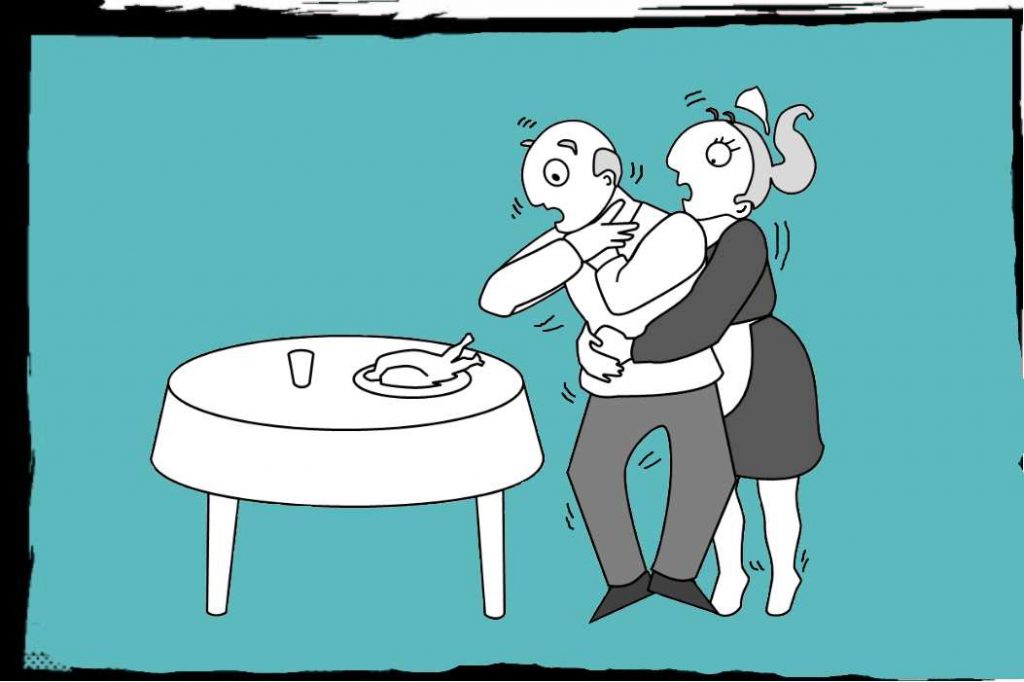
-the Heimlich manoeuvre when foreign bodies completely close the airways -tight compression on heavily bleeding injuries.
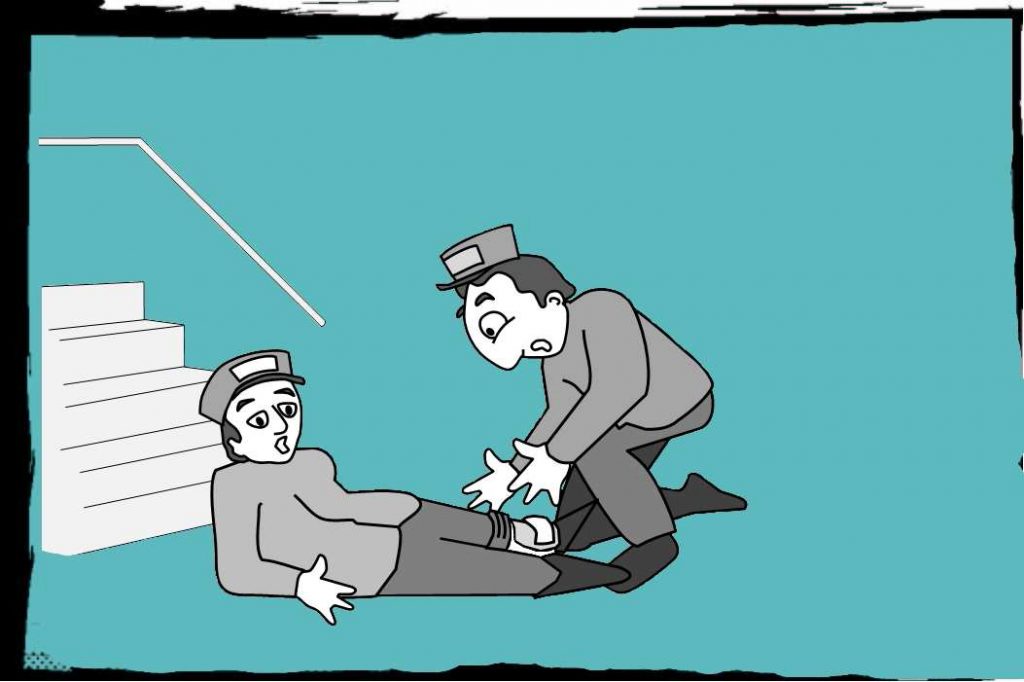
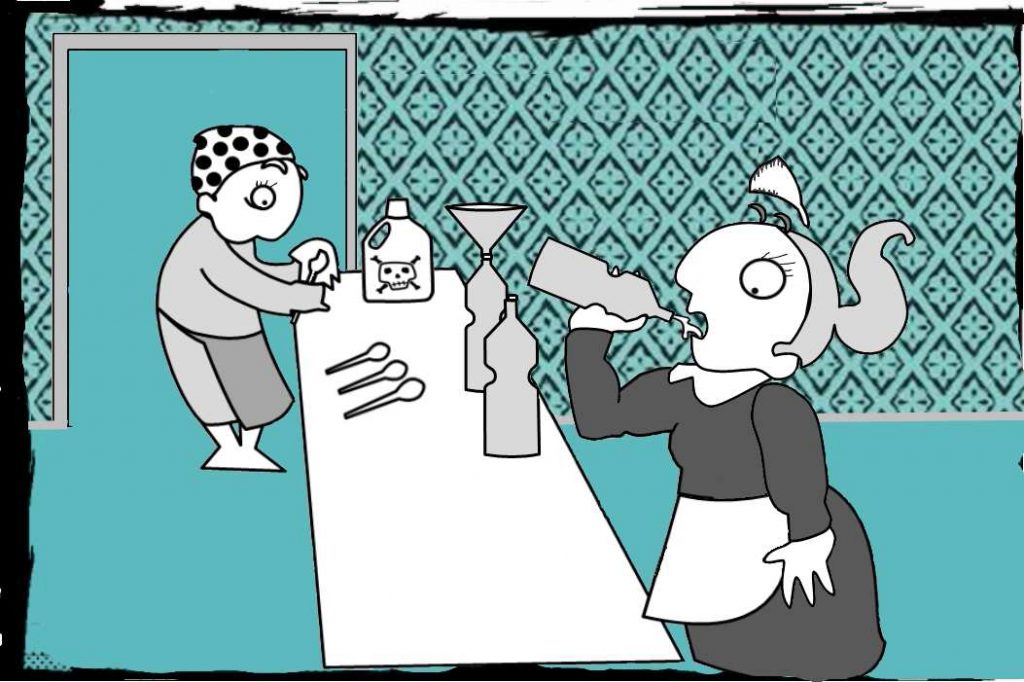
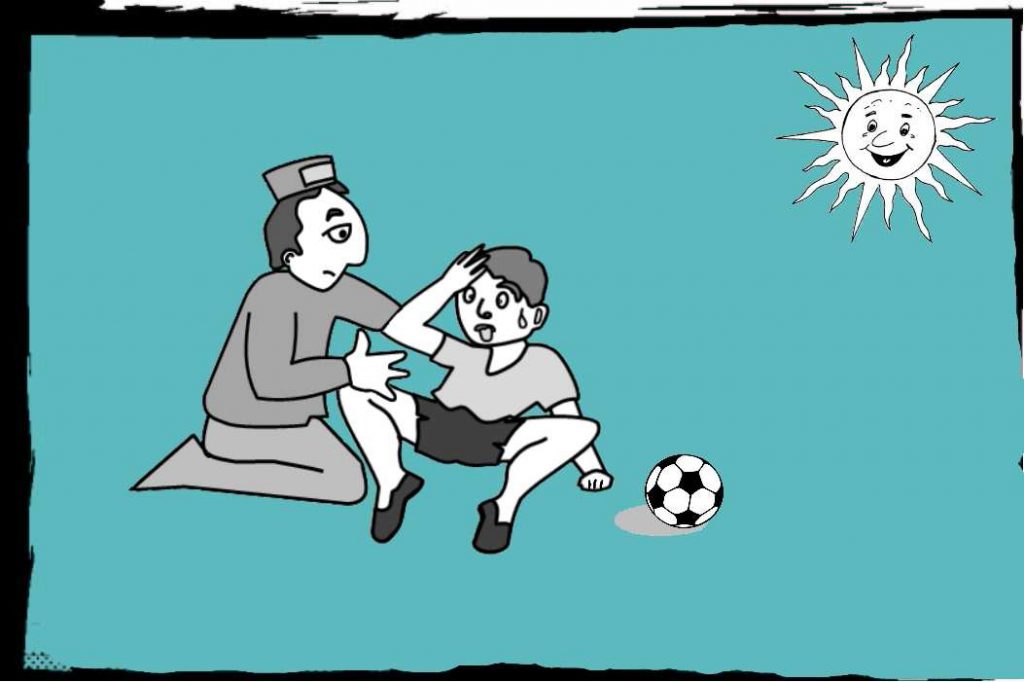
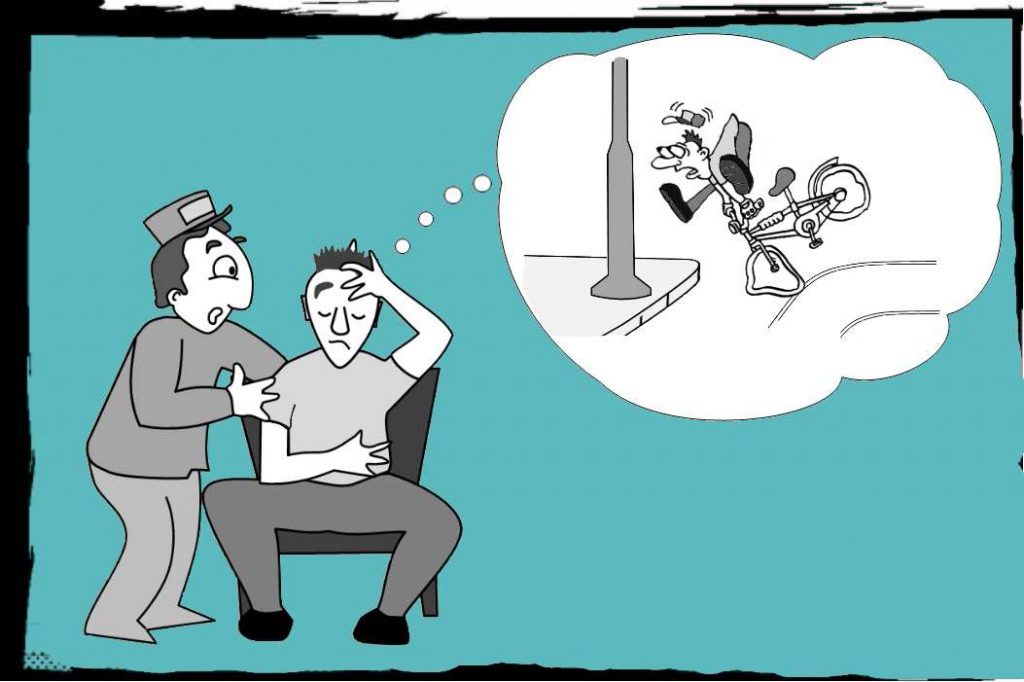
THE EIGHT SCENARIOS
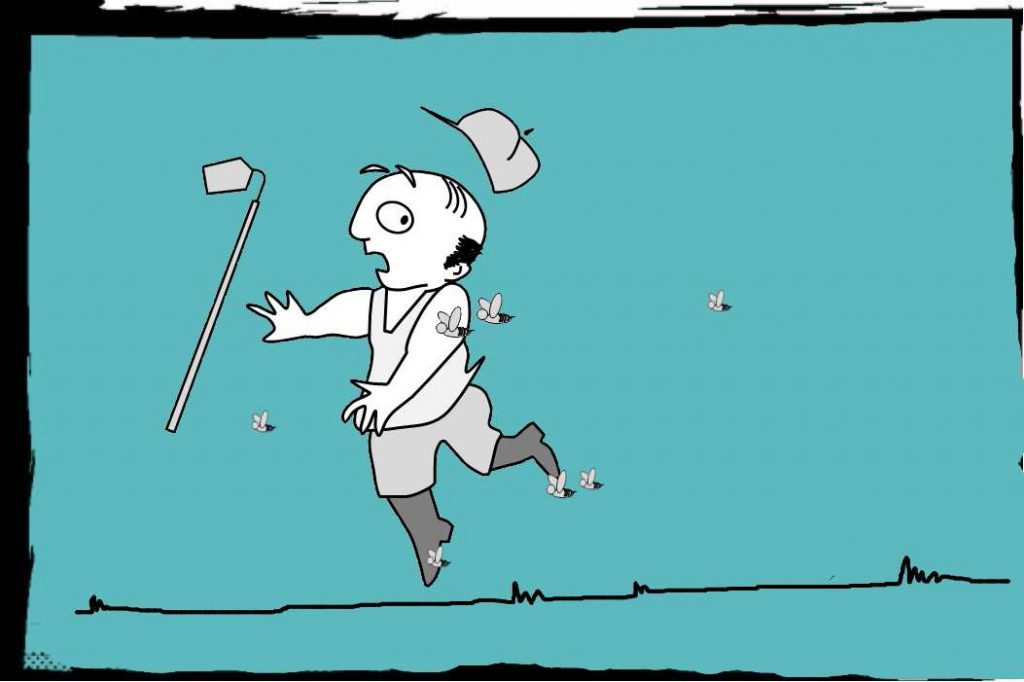
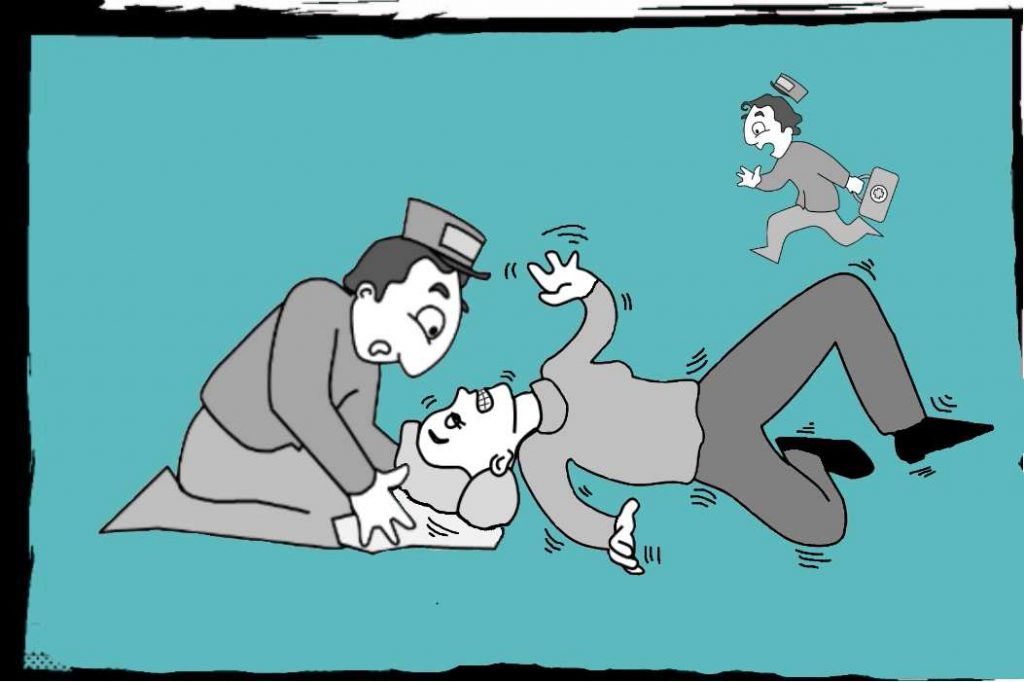
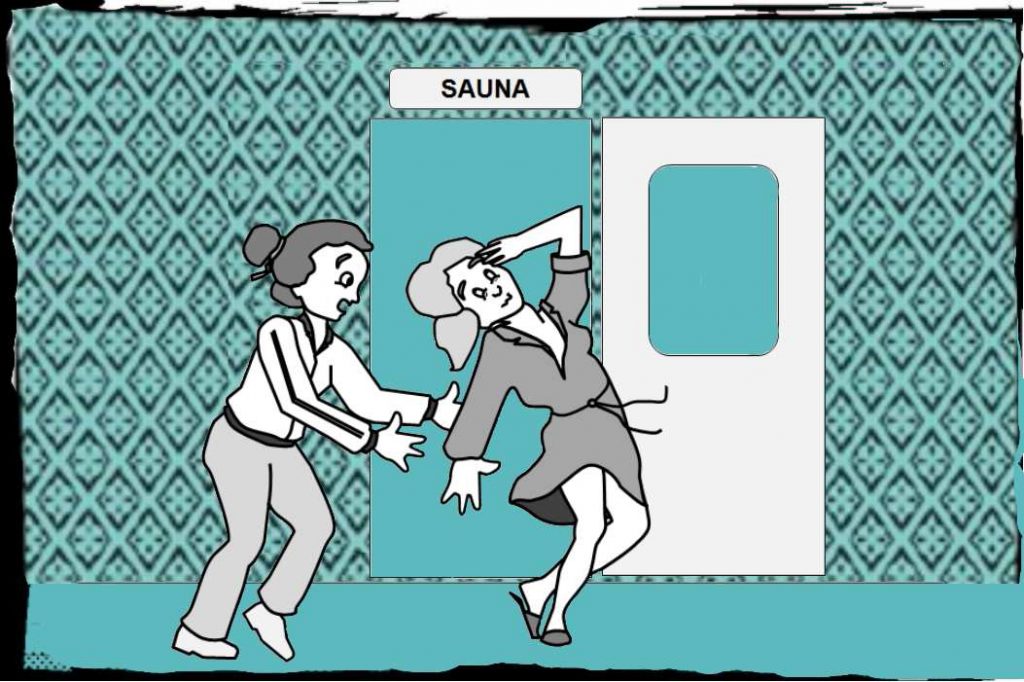
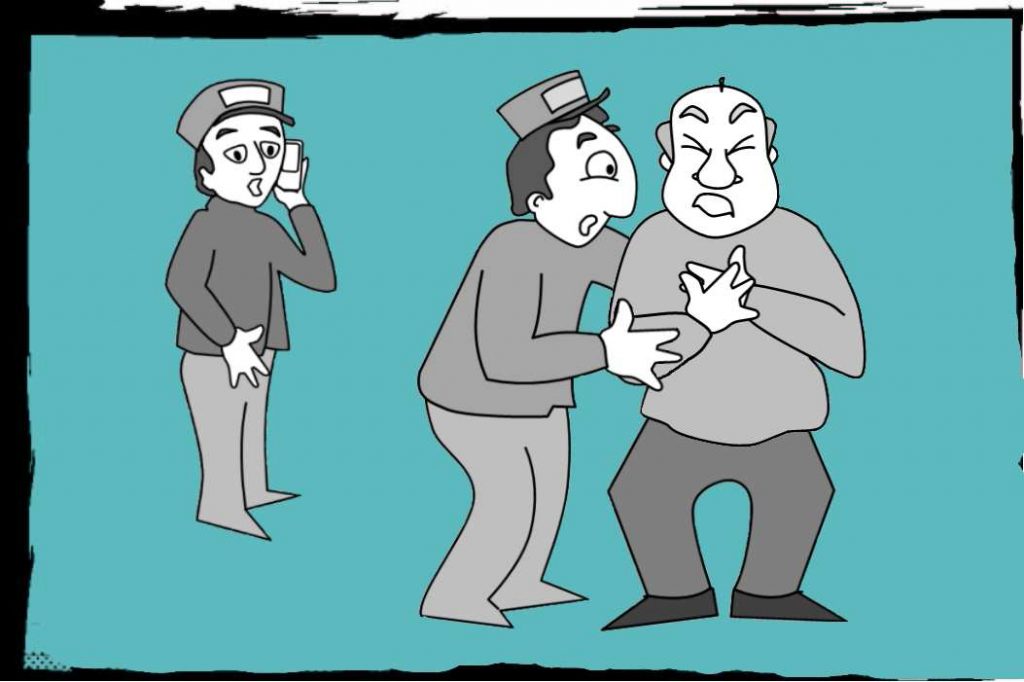
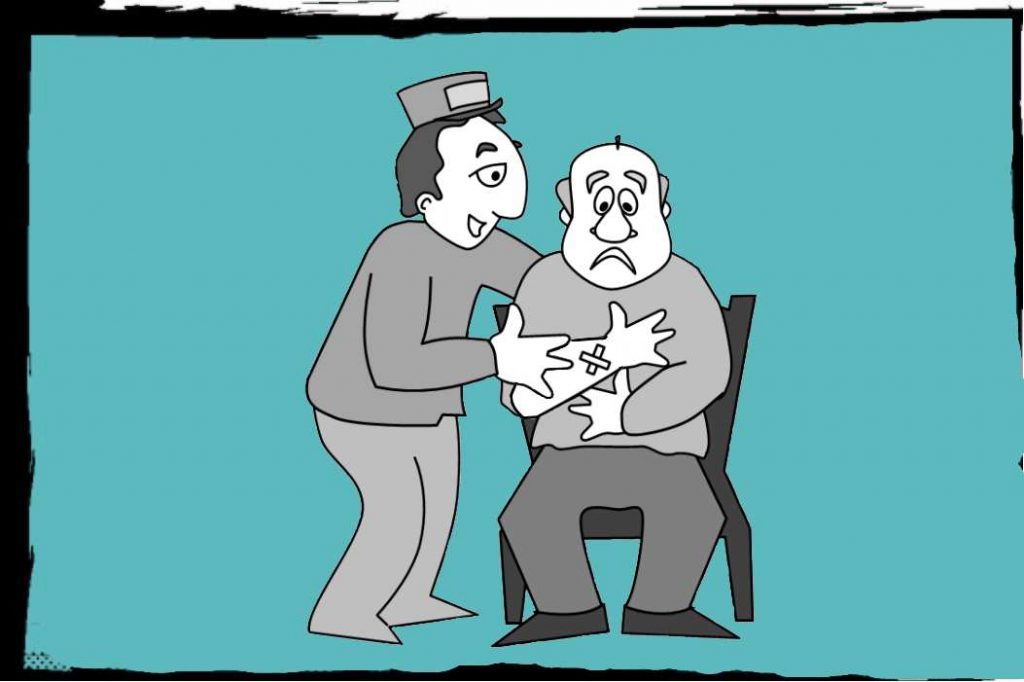
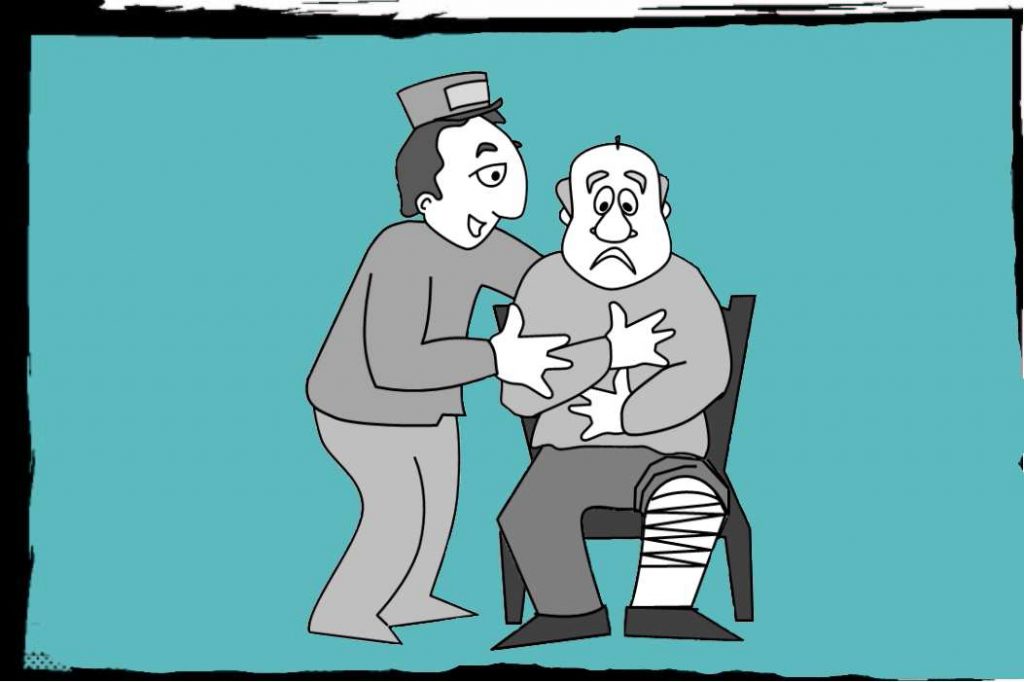
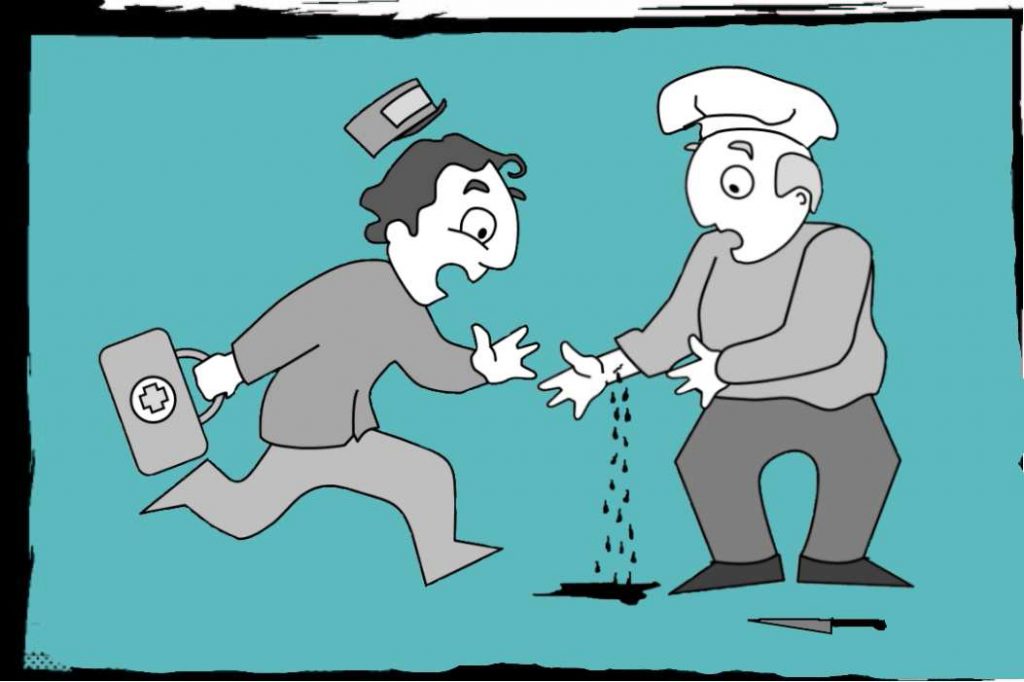
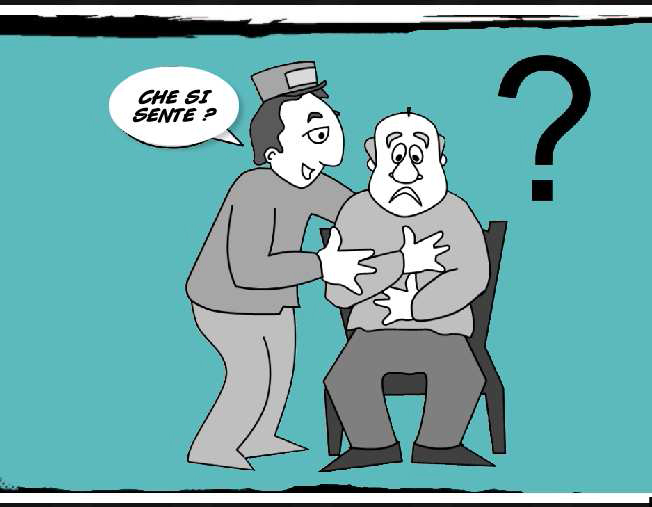
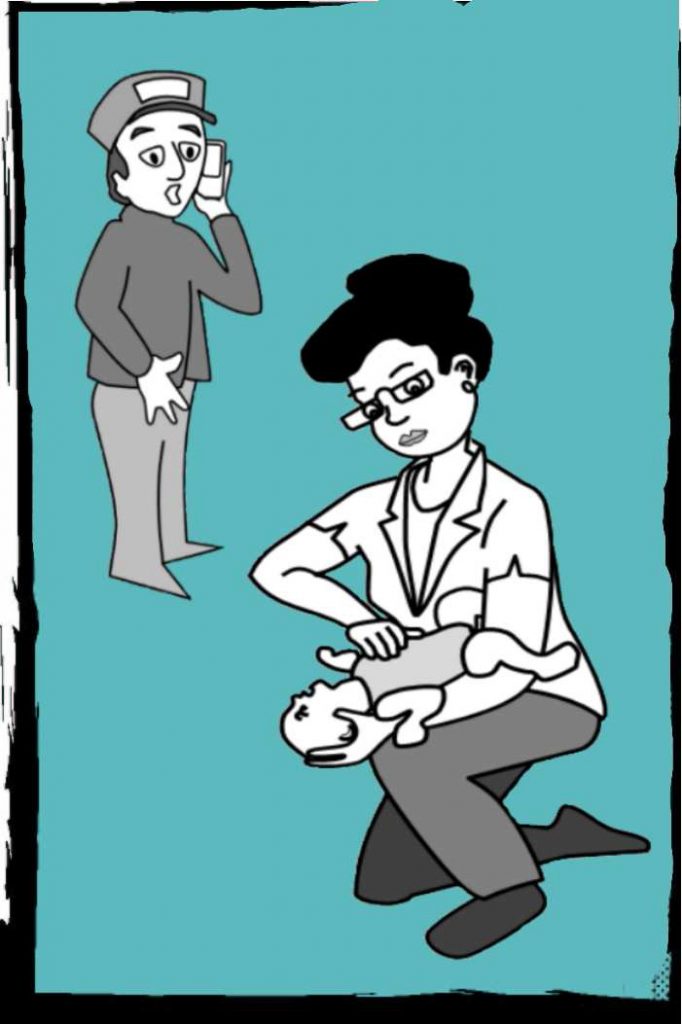
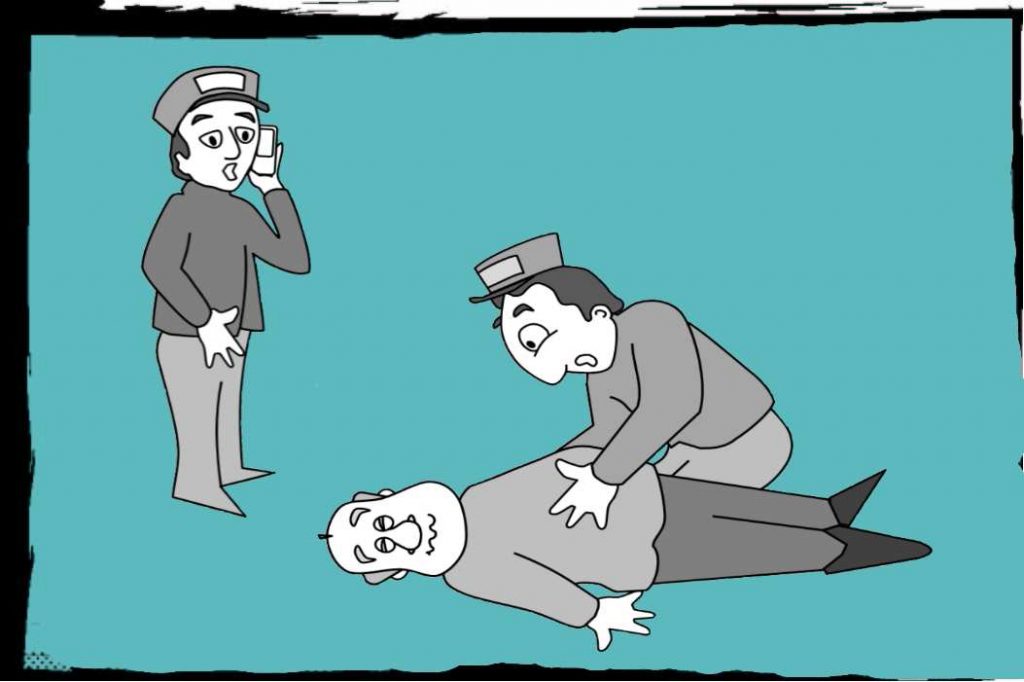
In the guidebook written by the French physicians of the INRS the different situations the first aiders can face are those of eight main scenarios3. We took their classification as a reference and we illustrate it here below; in our opinion it is valid, clear and simple.
|
MANUAL DE ATENCIÓN AL PARTO EN EL ÁMBITO EXTRAHOSPITALARIO. Ministerio de Sanidad, Servicios Sociales e Igualdad. España
¿Qué es el parto velado "Parto Empelicado" o nacer con bolsa intacta? by NATALBEN.com
Balística de las heridas: introducción para los profesionales de la salud, del derecho, de las ciencias forenses, de las fuerzas armadas y de las fuerzas encargadas de hacer cumplir la ley http://emssolutionsint.blogspo
Guía para el manejo médico-quirúrgico de heridos en situación de conflicto armado by CICR http://emssolutionsint.blogspo
CIRUGÍA DE GUERRA TRABAJAR CON RECURSOS LIMITADOS EN CONFLICTOS ARMADOS Y OTRAS SITUACIONES DE VIOLENCIA VOLUMEN 1 C. Giannou M. Baldan CICR http://emssolutionsint.blogspo
Manual Suturas, Ligaduras, Nudos y Drenajes. Hospital Donostia, Pais Vasco. España http://emssolutionsint.blogspo
Manual CIERRE DE HERIDAS by ETHICON http://emssolutionsint.blogspo
Manual de suturas. Menarini http://emssolutionsint.blogspo
Técnicas de Suturas para Enfermería ASEPEYO y 7 tipos de suturas que tienen que conocer estudiantes de medicina http://emssolutionsint.blogspo
Cuaderno Enfermero.Cirugia Menor Heridas Suturas http://emssolutionsint.blogspo
Manual Práctico de Cirugía Menor. Grupo de Cirugia Menor y Dermatologia. Societat Valenciana de Medicina Familiar i Comunitaria http://emssolutionsint.blogspo
Protocolo de Atencion para Cirugia. Ministerio de Salud Publica Rep. Dominicana. Marzo 2016 http://emssolutionsint.blogspo
Manual de esterilización para centros de salud. Organización Panamericana de la Salud http://emssolutionsint.blogspo
Dr Ramon REYES, MD,
Por favor compartir nuestras REDES SOCIALES @DrRamonReyesMD, así podremos llegar a mas personas y estos se beneficiarán de la disponibilidad de estos documentos, pdf, e-book, gratuitos y legales..
Por favor compartir nuestras REDES SOCIALES @DrRamonReyesMD, así podremos llegar a mas personas y estos se beneficiarán de la disponibilidad de estos documentos, pdf, e-book, gratuitos y legales..
Grupo Biblioteca/PDFs gratis en Facebook
https://www.facebook.com/groups/PDFgratisMedicina #DrRamonReyesMD
https://www.facebook.com/DrRamonReyesMD
https://www.instagram.com/drramonreyesmd/
https://www.pinterest.es/DrRamonReyesMD/
https://twitter.com/eeiispain
Blog
http://emssolutionsint.blogspot.com/2016/12/dr-ramon-reyes-diaz-md-emt-t-dmo.html
TELEGRAM
Group https://t.me/joinchat/GRsTvEHYjNLP8yc6gPXQ9Q